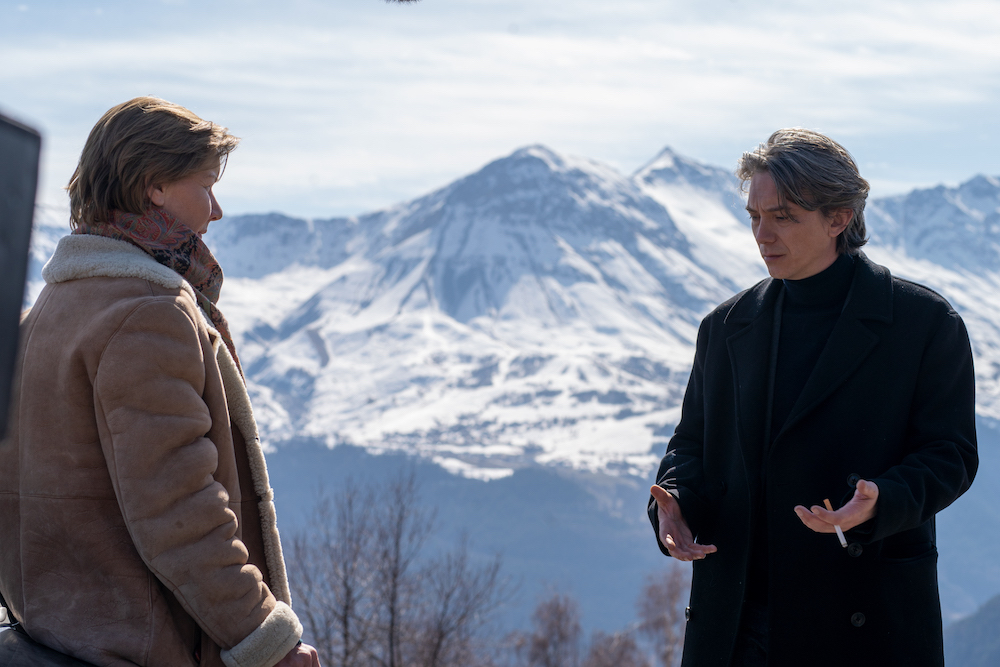
Anatomy of a Fall, directed by Justine Triet, is the latest film to win the Palme d’Or, the top prize at the world’s most prestigious film festival: the Cannes Film Festival in France. A film that investigates whether or not Sandra Voyter (played by Sandra Hüller) killed her husband after he is found dead from a fall outside their chalet in France, her trial, and the people involved in the case (particularly her visually impaired son Daniel, played by Milo Machado-Graner, and her lawyer Vincent Renzi, played by Swann Arlaud), it is nominated for several Academy Awards at this year’s ceremony, including Best Actress (for Hüller), Best Original Screenplay, and Best Picture.
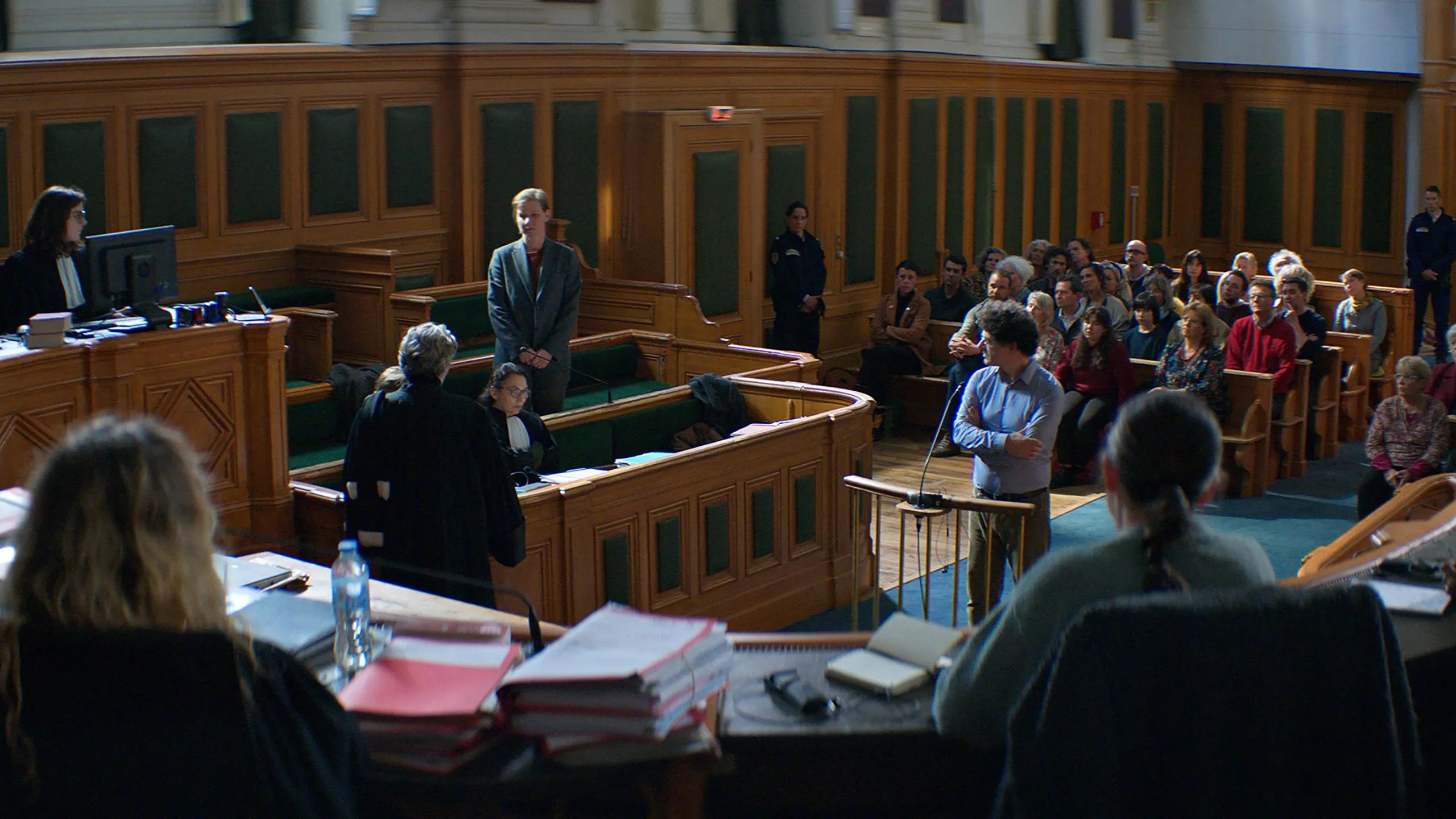
The runtime may be just over 2 and a half hours (and no ten-minute credits either to pad out this time), the language may be a mix of French and English, it may not be flashy like the big superhero or action productions you expect out of Hollywood, and it is not loud like Oppenheimer, but it is an absolutely stunning film through-and-through. It represents the best of true crime shows with its investigations and then takes it a step further – it makes you guess as to the true cause of death of Sandra’s husband.
Then it takes it a step further than that, with engaging cinematography, brilliant performances from the entire cast (even the dog who ironically gives one of the best performances in the film), some of the best writing in any film from last year, a sparse score that only serves to highlight the dramatics of the film (and quite well at that), editing that immerses you and keeps the pace going even in a 2.5-hour procedural in something like this, and natural makeup and hair design.
To touch on the performances and writing a bit more, the writing feels so natural so as to feel like the characters are well-worn and lived-in so to speak. You both feel like you’ve known them for years. This is no doubt elevated by the performances, in which all of them are great! None of the actors are big-name actors (not yet anyway), but Sandra Hüller performs her role extremely well and, being the suspect in the case, leaves you with enough to keep you guessing, almost make you certain you have the answer at the same time, and portray a woman in matrimony with her husband in al naturel all at the same time.
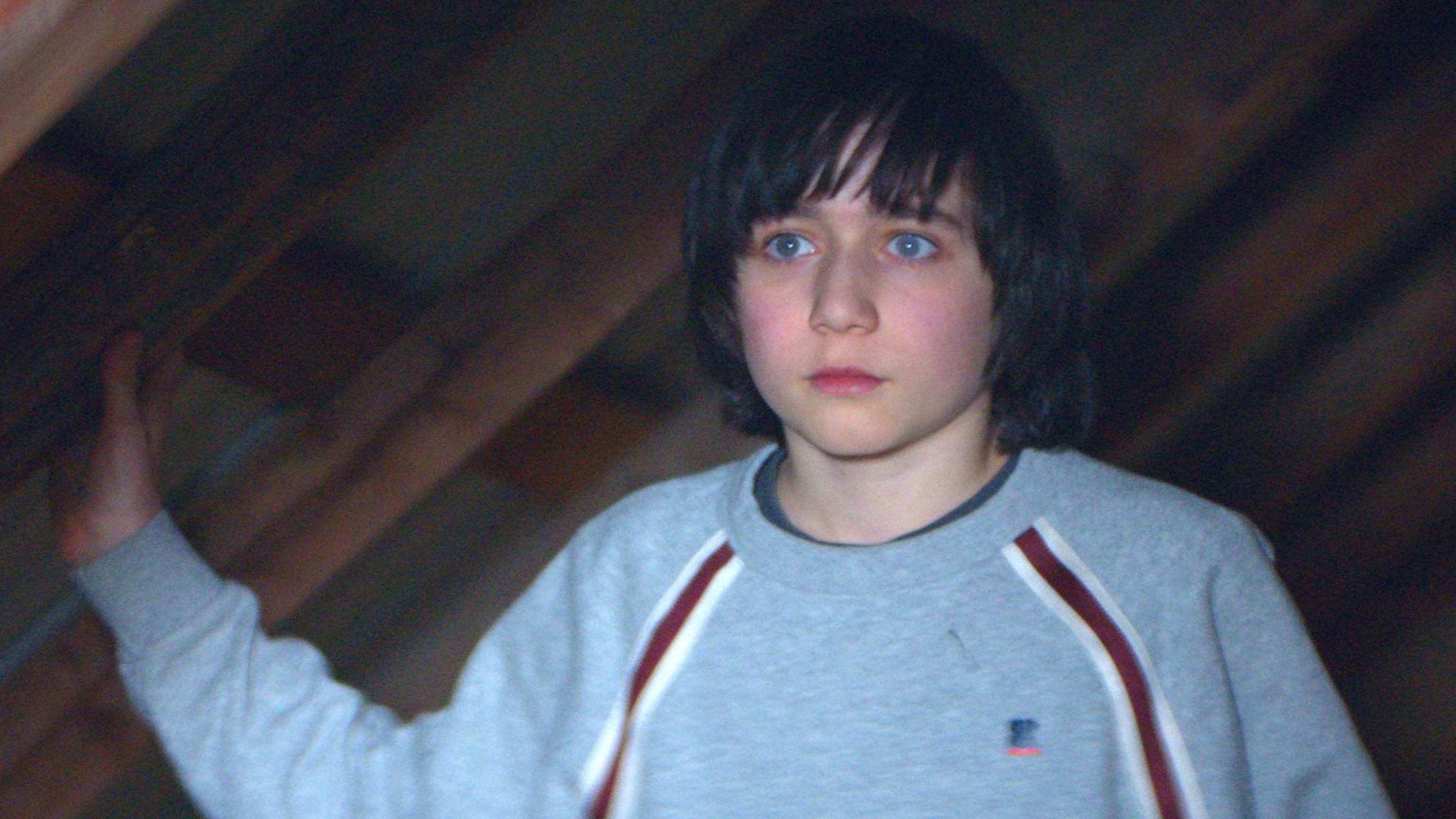
Milo Machado-Graner, who was only 14 during shooting, portrays her 11-year-old son with surprising complexity and very much should have been nominated for an Oscar, but every other performance is great as well. Somehow the dog performs well – a little too well. He seems just as alive and integral to the story and world of it as every other actor in the film, which is somewhat shocking. The relative absence of a score only serves to let the characters and their performances flourish on screen, with the vast majority of the film having no soundtrack at all, and it pays off in my opinion. It lets you hear the dialogue clearly (*cough cough* Nolan) and intensifies the many accusations, arguments, developments, and emotional outbursts. The direction is fantastic too, if Justine Triet not telling Sandra Hüller whether or not her character is guilty says anything about how she approaches the film, let alone all the other aspects of the direction.
The cinematography is quite engaging with movements that are perfectly in sync with the movements of the characters, whether it be Sandra Voyter, her son, her lawyer, the judge, or any persons on the prosecutors or the defense in the case (or even the jury). There is one crash zoom late in the film that is especially effective in my opinion, but there are many other zooms that almost call back to The Office (the U.S. version). Many wide shots, medium shots, close-ups and shots with visible cameras (or points-of-view of these cameras) recording things only add to the suspense and intensity of the film. In particular, shots where you see other cameras or their points of view are oddly suffocating and accusatory for the viewer, no doubt the effect Triet is attempting to coax out of them to support Sandra’s view on the case.

If I had to highlight any problems with the film, the cinematography can become ever so slightly obnoxious at times with its Office-like zooms, but it is very rare that I felt this way. If anything, the zooms actually benefit the film a great deal. The film does also use a couple of those arthouse tropes – mainly one super slow zoom, the entire introduction, and the diegetic-only score. These tropes are slightly tired, but if you’ve never seen more artsy films, it probably would be refreshing to the common viewer who indeed has not. On the other hand, the score is engaging, particularly in its dissonance. Other than that, I have no qualms about this film, and I have much more to appreciate about it.
The layout of the chalet, particularly its triangular-shaped portions and accentuated lines, serve to ever beat the presence of the case in your head and constantly remind you of it, but it is not obnoxious at all – quite the opposite. The many wide shots in the film of the courtroom and the shots with an immense amount of background to be seen also remind the viewer of the chalet. Somehow, the film makes these visual reminders just as powerful as the ones you don’t get to see as clearly, such as an argument late in the film. The writing, as I already alluded to previously, has enough subtext to keep you guessing as to what is plainly obvious and what may not be spoken in the courtroom and for that, it is fantastic. You can go back after watching it and approach the investigation from a totally different angle with how much complexity there is to be found in the case.
That is just a snippet of what I appreciate with this film. It only makes me wish that this film had been nominated for more Oscars this year, but it at least got a Best Picture nomination this year, which it wholeheartedly deserves. If it deserves that and the top prize at the world’s most prestigious film festival, it certainly deserves a viewing, especially if you are a fan of true crime, courtroom dramas, or like sheer amounts of complexity to situations in your films. Just don’t let the runtime or usage of French and English get to you – it is more than worth it, and Oppenheimer was longer!
My final rating for this film is a 9/10.
Anatomy of a Fall is nominated for five Oscars – Best Directing (Justine Triet), Best Actress (Sandra Hüller), Best Original Screenplay (Justine Triet & Arthur Harari), Best Editing, and Best Picture.
Anatomy of a Fall is currently playing in theaters, but it is also available for purchase or rental digitally ($15 or $7 respectively). The film also will be available to stream on Hulu on March 22, and it releases on home media via Criterion on May 28.
Anatomy of a Fall is rated R by the Motion Picture Association, for some language, sexual references and violent images.

