
This is not an expedition. It is an “Iron Lung” review.
Moments before descending into an ocean of blood, a small, bright circle of futuristic technology casts a red-tinged light into the dingy, cramped interior of the dilapidated SM-13 submarine.
Having just seen two colleagues bombarded with a flash of radiation, a dishevelled scientist scowls at the convict through a port in the rusty aquatic coffin that imprisons him, deaf to his pleas that he never intended for this to happen.
Though he begs for the freedom promised to him for upholding his penance, the vessel lowers regardless, and the glowing circle of hope is once more drowned in crimson darkness.
This blood-stained window is one of the only views to the greater world of “Iron Lung,” an independent film directed by and starring famous YouTuber Mark Fischbach, more commonly known as Markiplier. The film itself is based on the short indie horror game of the same name, created by David Szymanski.
Markiplier is mainly known for the Let’s Play gaming content that he produces for his YouTube channel, though he has taken on many side projects such as the ephemeral “Unus Annus” series and the television show “Edge of Sleep.”
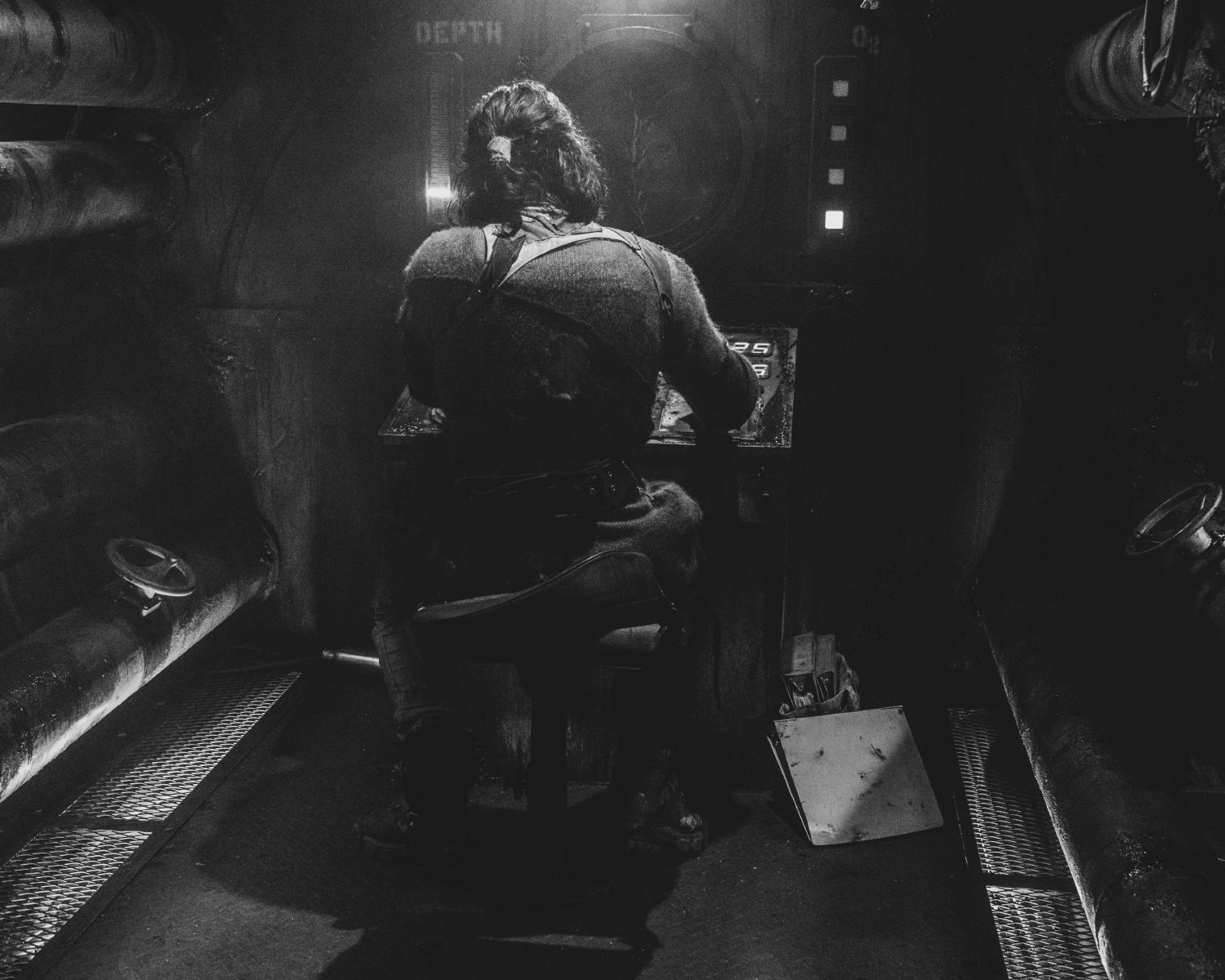
Like many others, I only knew vaguely what the movie might be like, based on a short trailer released years ago. Having played the original game way back in 2022, my recollection of the story was foggy.
What I did remember was that the limited knowledge of the outside world provided through the computer logs of the SM-13, and I was worried that the mystery that made the game work so well might be compromised by the film explaining more than it needed to.
However, how the film expands on the story ends up being the aspect that earns praise.
Both the film and the game revolve around the Quiet Rapture, an event where all stars and planets mysteriously vanish, leaving behind only space stations and moons. It is discovered that some of these moons contain oceans of blood. It is one of these that the convict protagonist is sentenced to explore.
Unlike the game, the film names the protagonist, Simon, and greatly fleshes out his backstory, giving much-appreciated context to why he is even locked in the SM-13 in the first place.
Simon’s backstory is presented on screen, but only ever through brief flashbacks, leaving viewers to piece together the full story of what happened to him.
I also appreciated that more of the outside world was able to be seen without ever leaving the submarine.
Even though at one point the submarine is raised into the lab, from which it sends data, the camera stays confined with Simon and sees only a fraction of the world beyond the small porthole.
The surreal, eldritch horrors of the ending stray the farthest from the original, which would have been a spectacular direction for the original game to go. Rather than a monstrous fish entering the submarine, a descent into hemoglobin-soaked nightmares ensued that can only be comprehended by experiencing the film for oneself.

The main thing Iron Lung could do a bit better is its writing.
Though the dialogue has some incredible quotes throughout it, some comic-feeling parts didn’t quite mesh with the dark, hopeless tone the film tries to convey.
I feel that this would mainly affect the viewing experience of someone who wasn’t aware of who produced the film. I personally didn’t mind and found the moments entertaining, especially being aware that Markiplier was playing the lead role.
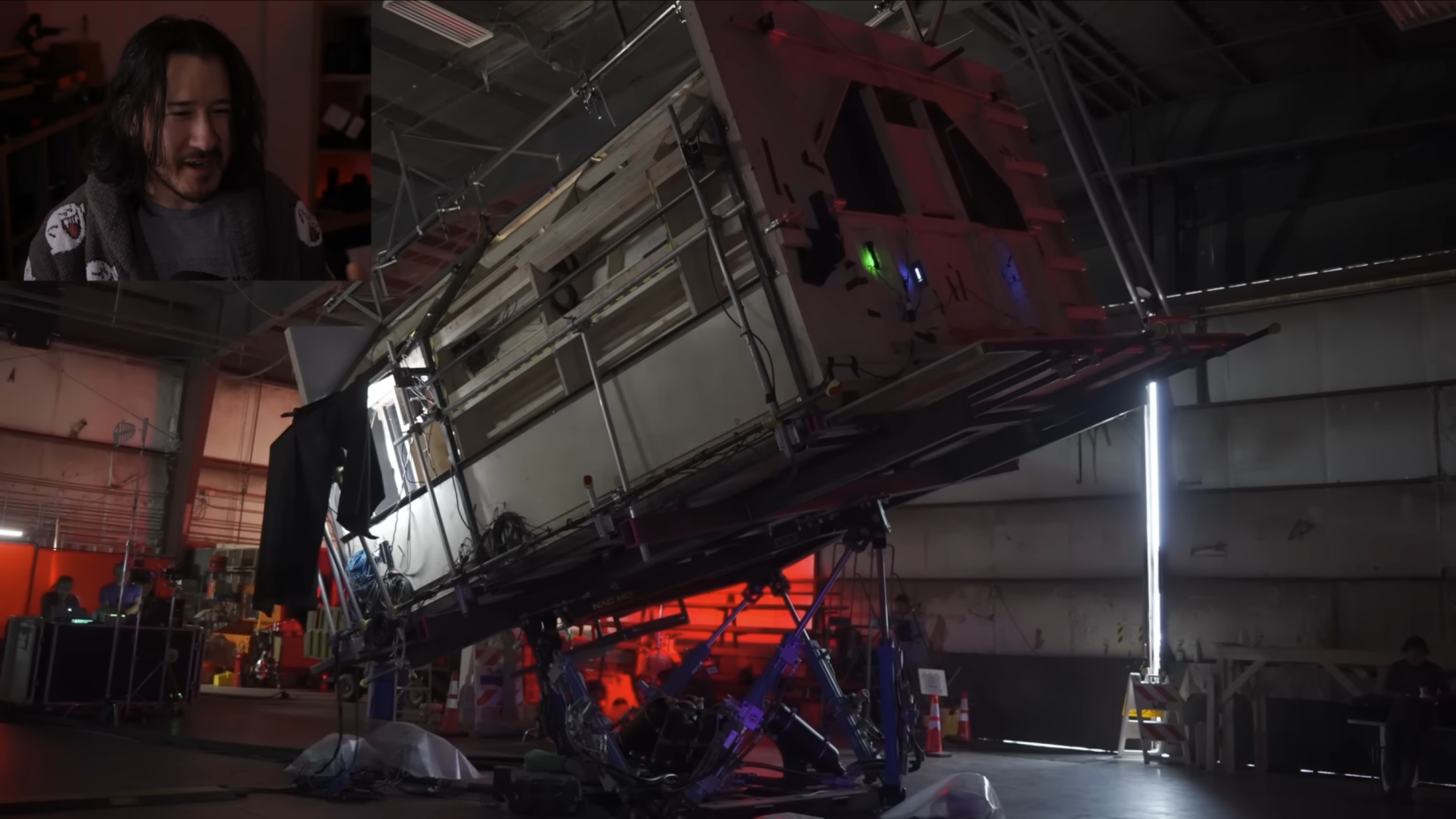
In terms of production, I greatly appreciated the focus on using as many practical effects as possible.
The interior of the SM-13 was actually built and positioned on a mechanical base, allowing it to produce the violent movements that emphasise the ramshackle construction of the submarine and the inhospitable danger of the blood ocean.
“Iron Lung” set the record for the largest amount of fake blood used in a movie.
According to Markiplier, approximately 80,000 gallons of fake blood were used, surpassing the previous record of 70,000 gallons set by “Evil Dead” in 2013.
“Iron Lung” is incredibly successful for being an independently produced film, and it could lead to large changes in the future of indie film.
Given its reach and positive reviews, “Iron Lung” shows that independent films can indeed be successful, opening the door for smaller producers to make it to the big screen.
Produced with a budget of around $3 million dollars, it earned $17,800,000 on opening weekend according to IMDB. This made it the highest-earning movie during those two days, beating out the concurrently released “Send Help” and “Melania.”
As of this writing, it has earned $48,960,820 worldwide.
“Iron Lung” has received critical ratings of 60% and audience ratings of 87% on Rotten Tomatoes.

