Front Range Community College (FRCC) leadership is launching a comprehensive effort to move beyond simple participation metrics and gain a deeper understanding of how students engage across campus life.
Dr. Gabriel Castaño, Vice President of FRCC, and his team aim to do more than count attendance at events or track classroom participation; they want to uncover the motivations, barriers, and habits that shape each student’s sense of belonging and connection to the college.
FRCC leadership is gathering detailed insights into student involvement in classrooms, student organizations, campus services, and online learning. With this information, they plan to build stronger, more inclusive, and more equitable communities.
The college views belonging as essential to student success, and leaders intend to apply this focus in both physical and online environments. They want every student to feel connected, supported, and valued. These insights will guide decisions on resource allocation, curriculum development, and student support to shift FRCC toward a more student-centered model.
“Our first goal is to understand which students are engaging on campus and what exactly they’re interested in,” Dr. Castaño said. “Then we can use that data to decide what we need to do more of, and what we need to do less of.”
FRCC’s initiative comes from a clear pattern: when students get involved, their academic performance improves.
“When students participate in three events in a semester, their GPA goes up,” Dr. Castaño explained. “National studies show a direct correlation between engagement and success.”
To support this effort, FRCC plans to modernize how the college tracks student involvement. For years, student events relied on pen-and-paper sign-ins, which left major gaps in understanding student behavior. Now, the college wants to replace that system.
“We want to modernize our process,” Dr. Castaño said. “We’re working to implement a digital student ID by the end of the year.”
The new system may allow students to tap into events using QR codes or RFID technology, similar to tools used in clinical programs or hospitals.
“One of our biggest goals is simply to track participation more accurately,” he said. “Once we understand the current state, we can figure out what students value and what activities they want us to support.”
This focus on involvement also includes informal groups, such as the pickup basketball sessions available in FRCC’s gym. Right now, these groups exist, but very few students know about them or participate consistently.
FRCC leaders see these kinds of informal activities as powerful opportunities to strengthen the community. Students can meet peers, build friendships, relieve stress, and create the “third spaces” that the college hopes to encourage.
“We want students staying on campus between classes, joining clubs, and finding the communities that aren’t tied to classrooms,” Dr. Castaño said. “Those informal, third spaces can be just as important as our formal programs.”
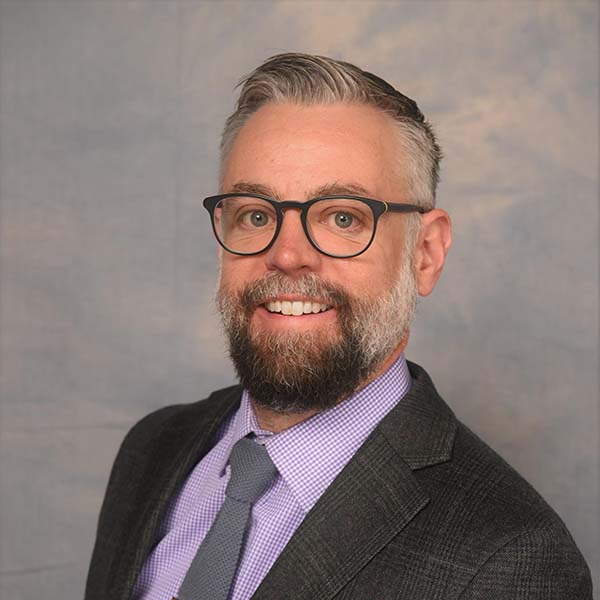
Tim Mellon emphasized that FRCC wants to support online learners as well.
“I’d say that we’re focusing on engaging our online population,” he said. “We now have an online student union, and student life has taken ownership of it. We also have a representative across all system-wide schools.”
FRCC’s various Multicultural Identity Centers remain another major priority. These spaces provide an essential community for students from diverse backgrounds, and FRCC plans to expand these spaces.
“We want more engagement in our Multicultural Identity Centers,” Dr. Castaño said. “We applied for a new TRIO program for the Larimer campus because we’ve never had one there.”
Dr. Castaño also noted that the Larimer campus recently launched its own Multicultural Identity Center.
“We created those spaces in Boulder County and Larimer County,” he said. “They’re still growing, but we’re excited about their potential.”
Together, these efforts reflect FRCC’s broader vision: to create a campus environment, both in-person and online, where every student can find their community, whether that’s a cultural center, a club, or even a weekly pickup basketball group in the gym.
By combining data-driven engagement tools with intentional community building, FRCC aims to ensure that every student discovers their own “third space,” a place where they feel connected, valued, and supported.
As FRCC refines its tools and expands its communities, the college is laying the groundwork for a more connected student experience. Every club meeting, online forum, pickup game, and cultural center becomes part of a larger effort to help students feel seen and supported.
By listening closely to students and acting on what they find, FRCC is building a campus where engagement isn’t just encouraged; it’s expected, celebrated, and accessible to everyone.
Header: Students and faculty listen in on the Open Mic event hosted by the Writing Club, pictured on October 30th, 2025. Photo by Dehnal Tena.
CORRECTION, DECEMBER 4, 2025 11:10 AM: Gabriel Castaño was cited as saying that TRIO recently launched at the Boulder County Campus. This is false. It recently launched at the Larimer Campus.

