
Erin Baun knew that Proposition 125 was inevitable.
“If there is a way to make it more convenient, it is going to happen one way or another,” said Baun, who works at Donoho’s Beer & Spirits in Fort Collins.
The 2022 ballot issue, a change to the Colorado Beer Code, allows grocery stores to sell alcoholic beverages of all kinds, including wine.
The Colorado Beer Code was, and still is, extremely controversial. Many voters were concerned about how this would harm the local liquor stores.
One year later, Baun said these fears have been confirmed. The Proposition has affected liquor stores, he said, though the extent depends on location.
Family-owned Donohos Beer & Spirits has been in business for 14 years.
Since it is not near any convenience stores – “the closest Walmart is 3.5 miles away,” Baun said – there has not been enough competition to be in jeopardy.
For the liquor stores open in plazas with big supermarkets, the proposition has posed more of a challenge, Baun said.
Some of these stores have resolved to make up for their losses by selling additional products like snacks on the go, like chips and candy. Donoho’s, Baun said, hasn’t found this necessary.
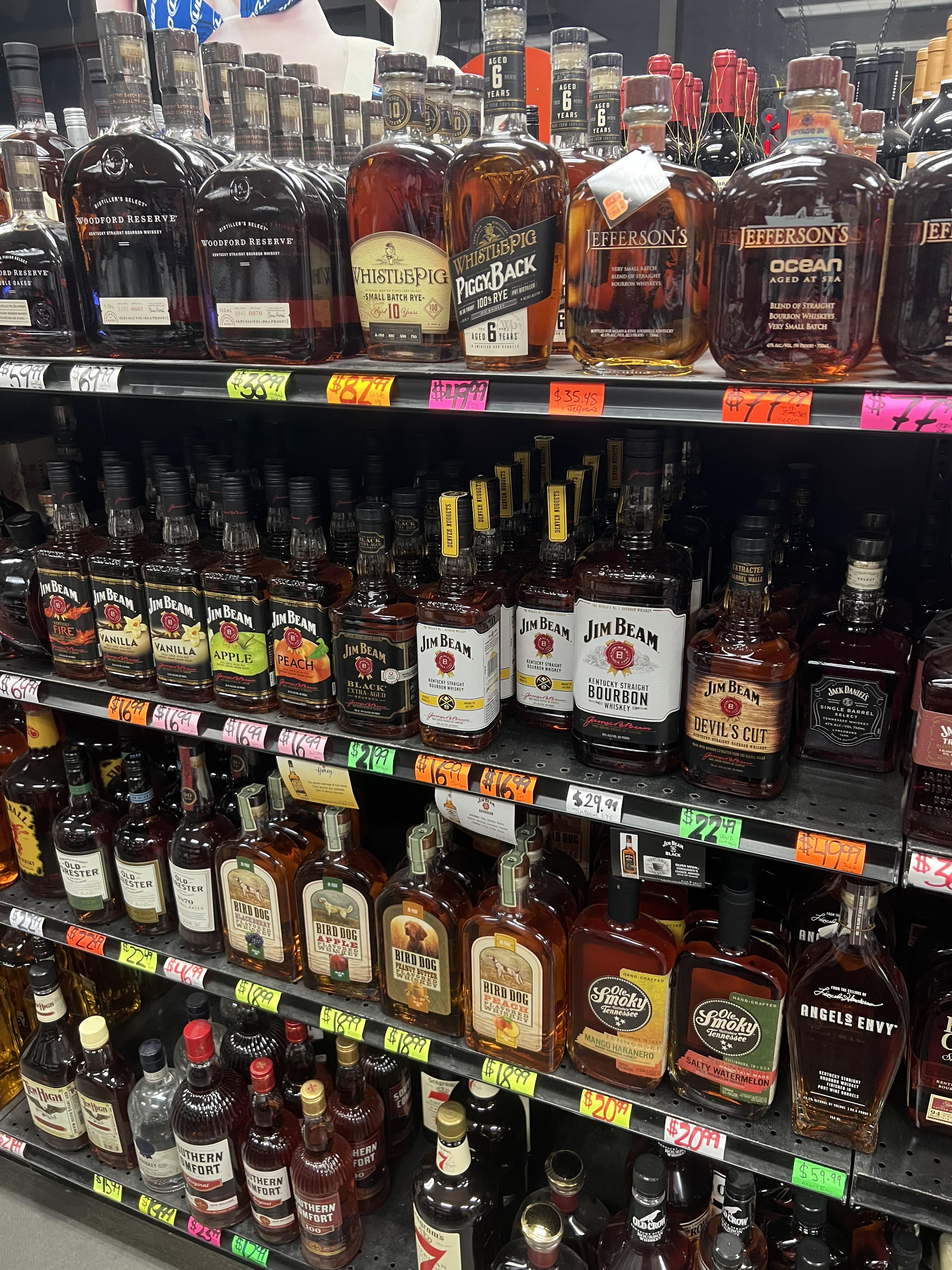
One thing that convenience stores don’t have is product variety. At groceries, breweries have to pay the store for shelf space, Baun said. The large breweries with cheaper options are given more space up top, while smaller, more expensive brewery alcohol has little shelf space at the bottom.
“We put our products where they think they should be,” Baun said. The highest quality products have prime placement and go down from there, he said. Colorado-made products, for example, get a lot of prime spacing because they are local. He said in this business, everyone helps each other out.
People’s opinions on this proposition depend on their own experiences and situation.
Front Range Community College student Carey Schnoover said she voted yes because she lived in Las Vegas, where selling alcohol in convenience stores was normalized.
“People are always going to drink,” she said. Since liquor stores have a more diverse selection than commercial grocery stores, it wouldn’t affect them that much, she said.
Another FRCC student, Max Hendrickson, voiced his support for the change as an employee at Trader Joe’s. He knows that the Proposition has greatly benefited the business.
Sales, he said, had gone up from $300,000 to $1 million a week after alcohol was added to the selection.
Since liquor stores charge, on average, about $20 for a bottle of wine compared to the $6 average Trader Joe’s charges, it makes sense that the Proposition was passed. It is cheaper and easier to access, Hendrickson said.
Because his in-laws in Japan own a liquor store, FRCC professor Patrick Shabram voted no. Even though he has a side job as a wine consultant, and commercializing alcohol sales would benefit that part of his career, he said he prefers to support the “mom-and-pop shops.”

