Do you remember seeing a phrase like “No Textbook Cost” in any of the courses that you’ve taken or are taking?
That is a part of Open Educational Resources (OER), a program that offers free and openly licensed academic materials to populations like students and educators.
The definition for these resources can vary, but they are usually made up of five components, known as “The 5R Rights”. These rights include the right to Retain, Reuse, Revise, Remix, and Redistribute content.
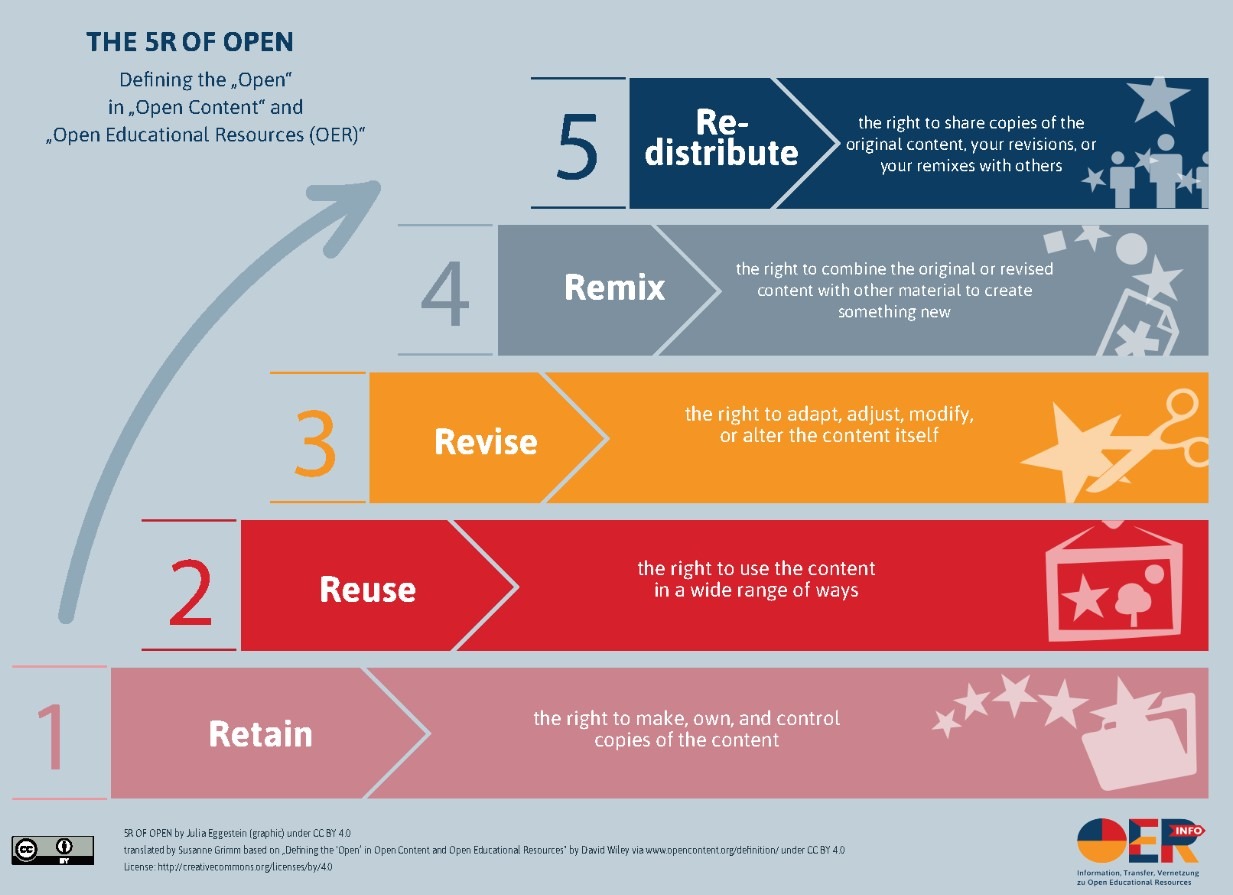
Open learning resources can take many forms, like videos, images, online courses, and evaluation items, highlighting their versatility and emphasis on availability.
While OERs offer numerous benefits, a notable one is providing scholarly content, like textbooks, to students at low to no cost, thereby making education more affordable as well as widening its accessibility.
Recently, the College Hill Library held an exhibit on its second floor, in which it highlighted the importance of OERs for academia, including displays like testimonials from instructors and other statements that established the worth of these assets.
Kathy Mullins, an English Professor at Westminster Campus, affirmed that OER items permit her students to obtain “high-quality information about writing without having to pay for a textbook”.
Teachers can also gain some advantages from OERs as well. For one, they can supply them with different pedagogical materials, thereby expanding what can be taught.
For Allison Stella, another English Instructor, these learning resources present her with “lesson plans and class assignments and activities that I have adapted to my own curricula and style”.
Free educational resources improve learning outcomes by removing barriers to essential course items for students, fostering knowledge equality. Such opportunities also give professors greater variety in what and how they can teach, enhancing educator outcomes.
OER’s are proven to bring about significant savings for students. According to a report from the Colorado Department of Higher Education (CDHE), the Colorado OER Grant Program, which began in 2018, has saved scholars “$59.7 million in textbook costs to date”.
The department also expressed that the overall cost savings for the first six years of the grant initiative are expected to exceed $75 million in spring 2026.
Open learning resources play a pivotal role in shaping the post-secondary education experience by improving equity in educational material access as well as aiding in instructional planning.
